
BMW 740i Sedan:Fuel consumption in 7.9 l/100km (combined; WLTP): 8.0–7.0; CO2 Emissions: 179 g/km
Driving pleasure.
The BMW 7 Series combines elegant design with precise, powerful dynamics and technical innovations that bring joy with every journey. Whether you sit behind the wheel or in the rear, there is plenty of room for unique driving experiences. Discover all the model variants of the BMW 7 Series, its equipment options and technical data.
Variants and technical data.
-
Models
-
Petrol
-
|
BMW 740i Sedan
|
|
|---|---|
|
Max. Power¹ |
280 kW (381 hp) |
|
0-100 km/h |
5.4 s |
|
Vmax |
250 km/h |
BMW 740i Sedan:Fuel consumption in 7.9 l/100km (combined; WLTP): 8.0–7.0; CO2 Emissions: 179 g/km

Looks that make an impression.
Impressive size, impressive design. From the illuminated kidney grille at the front to the concealed exhaust tailpipes, the BMW 7 Series is as confident as it is stylish.
BMW 740i Sedan

Athletic from every angle.
The flowing lines of the BMW 7 Series turn its sheer size into attractively proportioned spaciousness. A chrome element frames the Hofmeister kink like a precious jewel.

Confident by day or night.
Iconic front design. BMW Iconic Glow crystal headlights with Swarowski crystal elements and an illuminated kidney grille exude personality.

Modern design from front to back.
The L-shaped lights intensify the confident sense of presence, while the concealed exhaust tailpipes reinforce the neat appearance.
Elegant and intelligent in every detail.
Inside the BMW 7 Series awaits a stylish interior. Offering plenty of space and light, it provides a sanctuary with technical highlights that deliver fascinating and entertaining moments.
BMW 740i Sedan

Keep everything in sight.
The large BMW Curved Display shows you all the relevant information clearly and in high resolution. Every function works intuitively by voice and touch control.

Rear-seat entertainment writ large.
Films belong on the big screen. The 31.3” BMW Theatre Screen with integrated Amazon Fire TV offers the perfect rear-seat cinema experience on the road.

Panorama glass roof Sky Lounge.
The Sky Lounge panoramic glass sunroof creates a generous sense of space. Thanks to LED-based light design, you can enjoy a captivating atmosphere.

Sit back and enjoy.
Passengers sitting behind the front passenger seat can enjoy a comfortable seating position with continuous leg rest thanks to the Executive Lounge Seating.
More driving pleasure. More comfort.

The drive system that’s right for you.
Whether fully electric, hybrid or with an efficient combustion engine, the BMW 7 Series offers the right drive technology for your needs.

Executive Drive Pro.
With the Executive Drive Pro suspension control system, you can enjoy even more comfortable and sporty driving.

Integral Active Steering.
Integral Active Steering provides you with greater manoeuvrability and agility when parking. At higher speeds, driving stability and comfort increase.
Intelligently by your side.
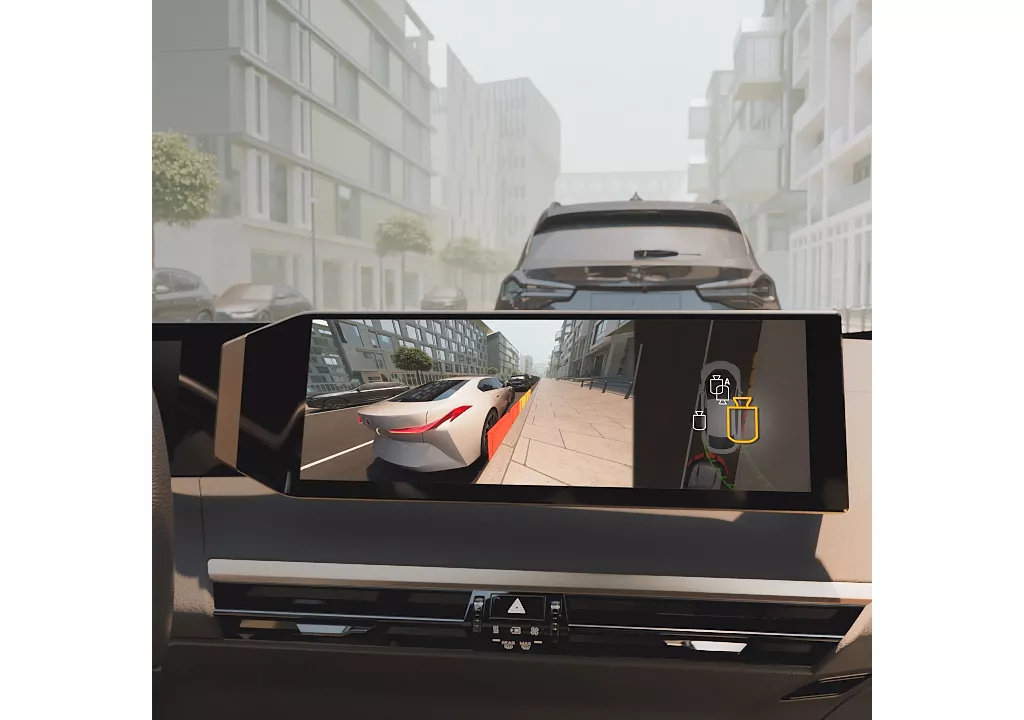
Parking Assistant Plus.
More cameras for easier parking. With Parking Assistant Plus, you have an all-round view of your BMW.
Digital innovation for every journey.

An unrivalled driving experience.
With BMW IconicSounds, you can experience sounds specially composed by Hans Zimmer for every drive mode. My Modes create a combination of light, sound and climate to perfectly match your mood.

Doors with touch.
A pair of elegant 5.5” touchscreens let you conveniently operate the infotainment system, the 31.3” BMW Theatre Screen, automatic air conditioning, seat settings and more.

Bowers & Wilkins Diamond surround sound system.
A 4D sound experience. In every seat. Your BMW becomes a concert hall. With up to 1965 watts of power and 36 perfectly coordinated loudspeakers of the Bowers & Wilkins diamond surround sound system.
Always be prepared with original BMW accessories.

Secure storage for everything.
From tablets and clothes hangers to lifting hooks or a folding table, the Travel & Comfort System offers everything you need to securely store your belongings in the rear.

Protected against the elements.
The BMW all-weather floor mats protect the footwell from dirt and wear. They are fully tailored to complement your interior.

Even sportier in the summer.
The 22” M Performance cross-spoke style 912 M forged wheel in Frozen Gunmetal Grey is the summer wheel and tyre set to give your vehicle a maximum sporty aesthetic.
Frequently asked questions about the BMW 7 Series Sedan.
Fuel consumption and CO2 emissions.
BMW 740i Sedan:Fuel consumption in 7.9 l/100km (combined; WLTP): 8.0–7.0; CO2 Emissions: 179 g/km
The values of fuel consumptions, CO2 emissions and energy consumptions shown were determined according to the European Regulation (EC) 715/2007 in the version applicable at the time of type approval. The figures refer to a vehicle with basic configuration in Germany and the range shown considers optional equipment and the different size of wheels and tires available on the selected model.
The CO2 efficiency specifications are determined according to Directive 1999/94/EC and the European Regulation in its current version applicable. The values shown are based on the fuel consumption, CO2 values and energy consumptions according to the NEDC cycle for the classification.
For further information about the official fuel consumption and the specific CO2 emission of new passenger cars can be taken out of the „handbook of fuel consumption, the CO2 emission and power consumption of new passenger cars“, which is available at all selling points and at https://www.dat.de/angebote/verlagsprodukte/leitfaden-kraftstoffverbrauch.html.